Memphis Building & Construction
Trades Council
Powering · Labor Education
THE SOUTH GOT SOMETHING TO SAY
Educate · Organize · Mobilize · #LaborEducation
Dr. Charles W. McKinney, Jr.
Historian of the Black freedom struggle. Professor at Rhodes College. Board member of the Workers Interfaith Network. Chair of Memphis For All. Trainer of union organizers across the South. A great friend of labor — and the professor of the movement.
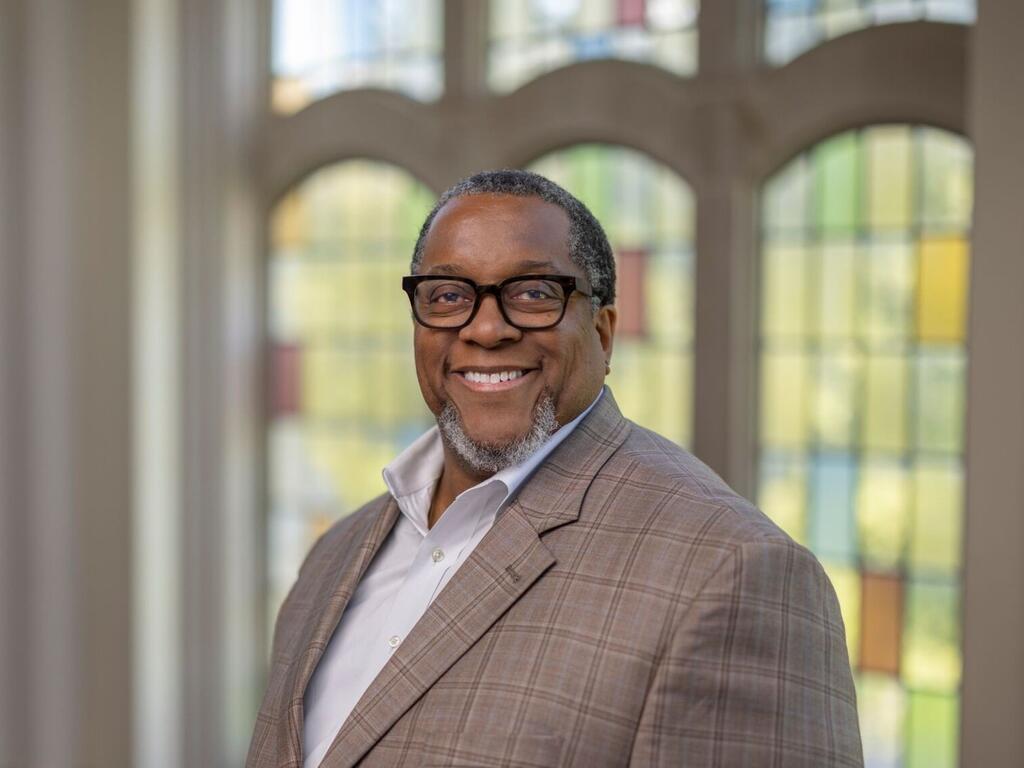
Charles W. McKinney, Jr. earned his B.A. with honors in History and English from Morehouse College in 1989 and his Ph.D. in History from Duke University — following in the footsteps of his Morehouse mentor, Dr. Marcellus Barksdale. While at Duke he won the Samuel DuBois Cook Student Service Award and worked with social-justice organizations across the South, including the Institute for Southern Studies and North Carolina Public Allies.
His scholarship lives where labor and civil rights meet: how poor and working-class Black communities built the institutions that changed America. His commentary has appeared in the Memphis Commercial Appeal, USA Today, the Wall Street Journal, Vanity Fair, The History Channel, and MLK50: Justice Through Journalism — and on CNN and news outlets across the UK, Europe, China, and Australia.
Since 2016 he has spent summers helping K-12 teachers across the nation craft civil-rights curriculum, and for years he has led movement-building and grassroots-organizing trainings for union members and organizers in California, Tennessee, Mississippi, and Louisiana.
Professor of History and the Neville Frierson Bryan Chair of Africana Studies — founding faculty member of the Africana Studies department and winner of the Clarence Day Award for Outstanding Teaching.
Rhodes faculty bioBoard member of Memphis's Workers Interfaith Network — the faith-and-labor coalition standing with low-wage workers in the city where Dr. King stood with the sanitation strikers.
Faith & labor in MemphisChair of the Steering Committee of Memphis For All — the progressive voter-advocacy coalition building a multi-racial, cross-class movement in Memphis.
Memphis For All in the directoryTeam member at Labor South, the center telling the story of the Southern working class — and a trainer of union members and organizers in California, Tennessee, Mississippi, and Louisiana.
Labor South profileHow ordinary Black working people in one North Carolina town built a decades-long freedom movement — organizing block by block, church by church, job by job.
The definitive collection on Memphis's freedom struggle — including the 1968 Sanitation Workers' Strike, where the labor movement and the civil rights movement became one and the same.
The newest scholarship tracing the Black freedom struggle from the ballot to the workplace to the streets — and where the movement goes next.
“You can’t be invested in the status quo and say you want to fix poverty.”
— Dr. Charles McKinney, in MLK50: Justice Through Journalism
A leading voice on the 1968 Memphis Sanitation Workers' Strike, Dr. McKinney reminds the city — and the country — that Dr. King died standing with union workers, and that the strike was a coalition of labor, church, civil rights, and students demanding dignity, a living wage, and union recognition.
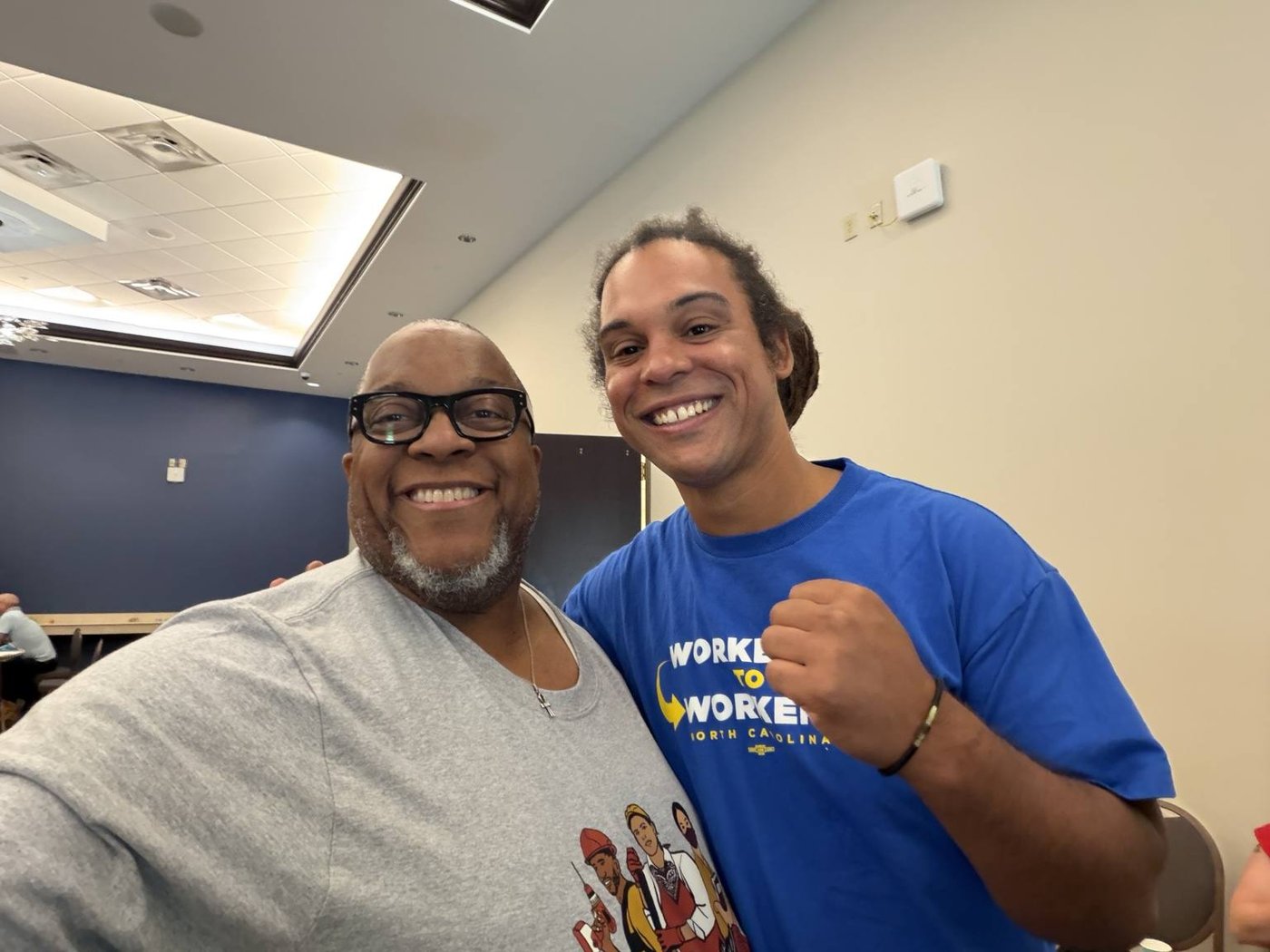
Memphis meets North Carolina
Dr. McKinney with NC State AFL-CIO President Braxton Winston II at the Worker to Worker North Carolina gathering in Greensboro — the scholar of the Southern freedom struggle and the stagehand-president organizing the least-unionized state in the nation, shoulder to shoulder.
Support This Project
This page is built and maintained by the Union Strong Labor Education App — a free platform built by the labor movement, for the labor movement.
Or donate directly: